


How fraud Actually Happens in Nonprofits, and How To Catch it Early [Free E-Book]
Is there a vendor file no one has reviewed in years? An expense report nobody double- checks? One person who controls both the books and the bank account?
Fraud in nonprofits rarely announces itself. It hides in the gaps until the losses are significant and donor trust is hard to win back.
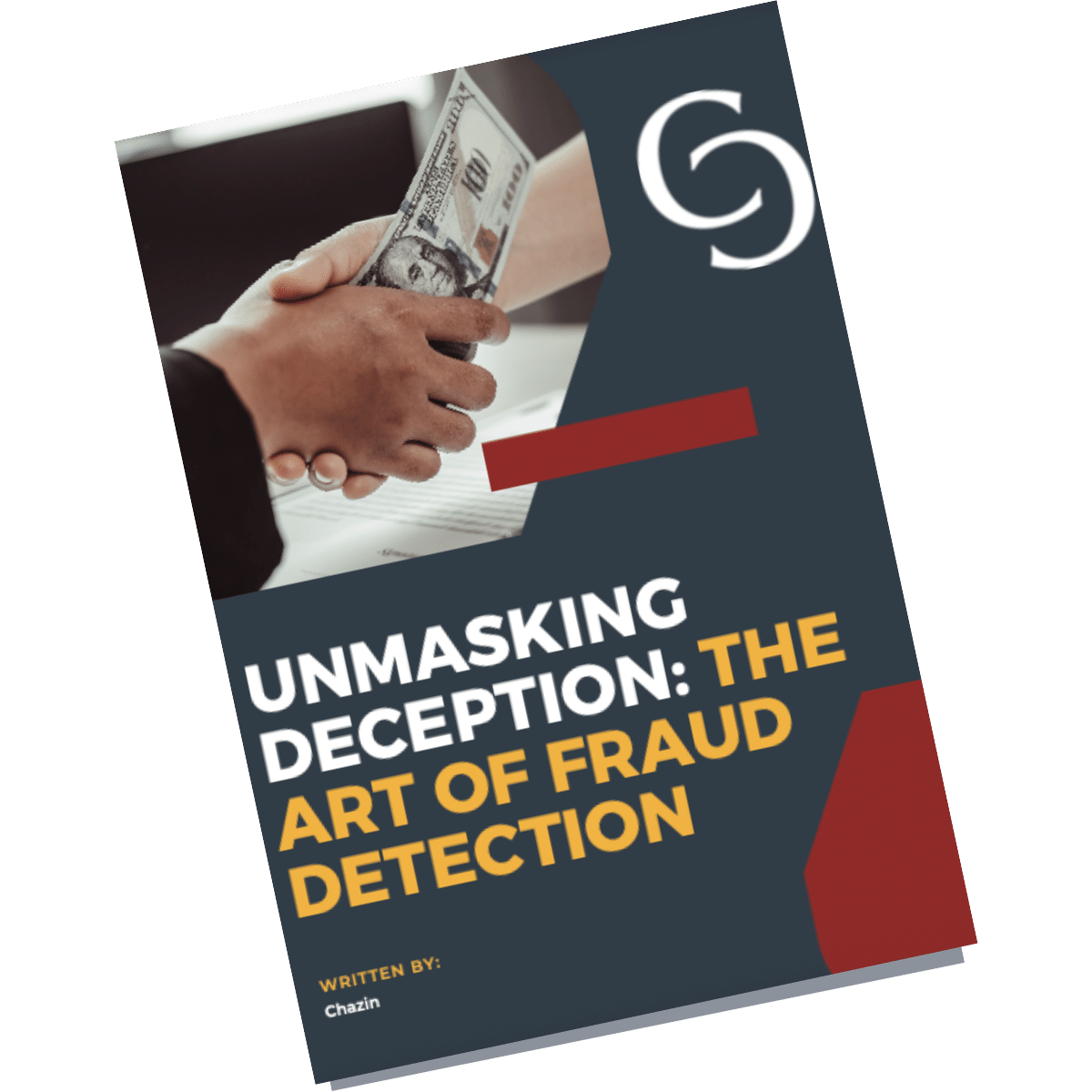
This free guide from Chazin, “Unmasking Deception: The Art of Fraud Detection,” covers the Fraud Triangle, real nonprofit fraud case studies, and the internal controls that catch problems early, from billing to expense reimbursements to corruption.
Don’t wait for a red flag to take a closer look, get your free guide here.
The Fraud Triangle Drivers: Nonprofit fraud typically stems from three core elements: financial pressure, opportunity due to weak internal controls, and personal rationalization.
Top Nonprofit Fraud Schemes: Corruption (41%), billing fraud (30%), and expense reimbursement fraud (23%) represent the most prevalent types of fraud in nonprofits.
Leadership Risk: Executive directors and presidents account for 39% of fraud cases, driving the highest median loss at $250,000.
Key Prevention Strategy: Segregating financial duties, digitizing accounting workflows, and requiring original receipts help prevent unauthorized transactions.
This free ebook is brought to you by:
Become a Member
Whether you’re with a large team or a solo entrepreneur looking to start the next great cause, we have a membership package that will help you grow your network and your cause.
Additional resources

Brand Bootcamp
This three-part series will cover everything having to do with branding including brand personality, brand guides, and effective visual identity.

How to Create A Brand Guide
A brand guide provides parameters around how a brand is expressed visual and print mediums. Learn how to create one for your organization.