Every fall, I get a version of the same phone call. It usually lands in early November. The voice on the other end is friendly, a little tired, and talking fast. The board approved a bigger goal than last year. The appeal is not drafted. The list has not been pulled. And the calendar has already started to close in.
That call is preventable.
The fundraisers who sleep well in December are the ones who did the thinking in September.
It is not too early to start your year-end campaign. It can absolutely become too late, and that turn happens faster than most teams expect.
This Year’s Calendar Leaves Less Room Than Usual
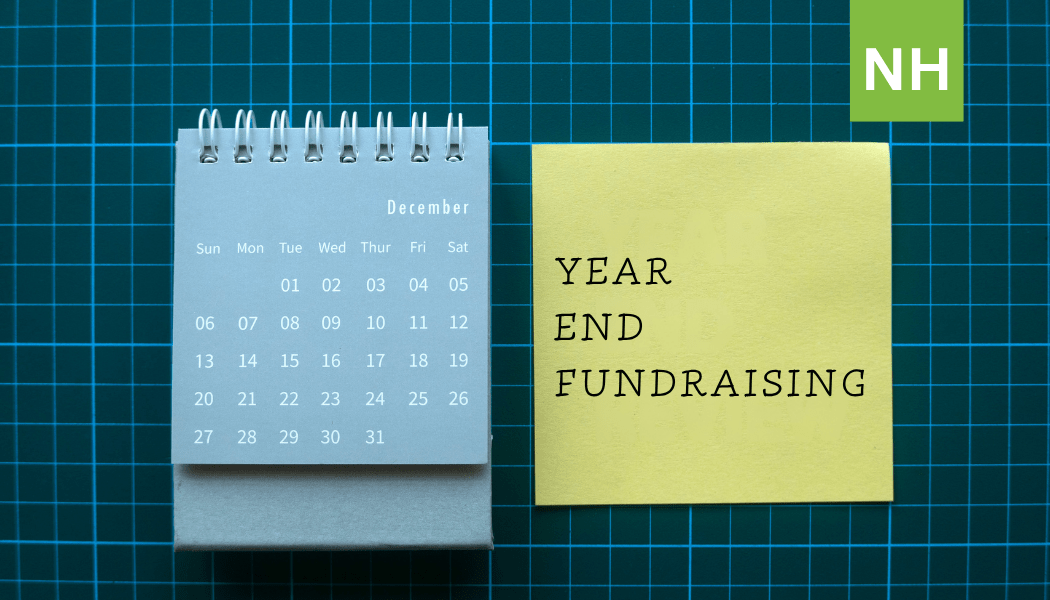
Look at how the next few months line up. Thanksgiving falls on November 26. Giving Tuesday follows on December 1. December 31 lands on a Thursday, which means your final push runs through a short holiday week when many of your donors are traveling, and your mail is competing with holiday cards.
Add it up. The entire giving season, from your biggest attention moment to your hardest deadline, sits inside 31 days. Your donors will receive every one of your asks in that window, alongside appeals from every other organization they support.
You cannot change the calendar. You can change when you start.
The next several weeks are the sweet spot. You are far enough out to think strategically, and close enough that the decisions you make now will show up in your results. Here are three moves to make before October.
1. Assess and Reflect
Ask: What worked last year, and what did not?
Before you write a single word of this year’s appeal, pull last year’s numbers. Not the summary your board saw. The actual detail.
Look at open rates, click rates, average gift, and donor retention by campaign and by channel. Then look for what the summary hid. Which subject lines earned the most opens? Which format held attention? Did new donors come in, or did the same loyal group carry the campaign again? What gift amounts did people actually choose, and did your suggested amounts match?
One organization we worked with discovered that a plain email sent on Giving Tuesday outperformed every other message they sent in December. No banner image. No production. Just a strong subject line and one clear story. The team had assumed the polished pieces were doing the work. The data said otherwise.
Pay attention to the surprises, too. Someone unexpected stepped up. Someone you counted on went quiet. Both are worth a phone call this fall, and both are far easier to act on in September than in the last week of December.
Then bring in your people. Ask staff and board members what they heard from donors. Review any A/B test results you have. Write down the gaps and the opportunities while they are still fresh.
Pro tip: Build one simple chart with four columns: campaign, channel, result, lesson learned. Keep it to a single page. That page becomes the brief for everything that follows.
2. Clarify Your Message and Your Goal
Ask: What do you want donors to feel, know, and do?
Most year-end campaigns do not fall short because of bad design or the wrong send time. They fall short because the message was vague.
Start with the number. Define your year-end goal, then decide whether you need smaller goals underneath it, tied to giving levels or specific programs. A clear number gives you a rally cry, and a rally cry gives donors something to join. “Help us raise $75,000 by December 31” works. “Support our year-end campaign” does not.
Then find the story. One organization built its entire December campaign around a single mother’s story. Every email, every letter, every post pointed back to her. They set a $135,000 goal and closed the year at $140,153. The message was that clear: this is who you are helping, and this is how.
Answer these questions on paper before you start drafting.
- What is the most urgent problem you are solving right now? Not in general. This December.
- Who is directly affected if the money does not come in? Name the program, the service, or the person.
- What does a specific gift actually do? A gift of $250 provides X for Y. Donors give to outcomes, not to budget lines.
- What is the single action you want on each channel? One ask per message. Not three.
Pro tip: Draft your storytelling arc now, while you still have time to test it on people who will tell you the truth. November drafting is rushed drafting.
3. Build the Campaign Backbone
Ask: What has to be in place before November arrives?
This is the step that gets skipped, and it is the one that determines whether December feels controlled or chaotic.
Map your timeline first. Decide when each piece drops across mail, email, social, and your giving page, then work backward from December 31 to today. Direct mail, email, and social media remain the strongest combination for most organizations, although text messaging has been gaining a lot of traction. They all perform best when they reinforce each other instead of running as separate efforts.
Then handle the pieces that always take longer than expected.
- Gather visual assets and testimonials now. Photos require permission. Video requires editing. Both take weeks, not days.
- Clean and segment your list. Decide whether your first mailing goes to LYBUNT and SYBUNT donors, meaning those who gave last year or in some prior year but have not given yet this year, before you open the campaign to a broader audience.
- Test your giving page yourself. Make a gift on your own site, on your own phone, and count the clicks. Fix whatever frustrates you.
- Confirm your match early. If you want a matching gift to anchor the campaign, that conversation happens now, not the week before Giving Tuesday.
- Write the thank-you before you write the ask. Acknowledgment is part of the campaign, not the cleanup after it.
Pro tip: Create a shared launch folder and put everything in it. Timelines, drafts, segment lists, design files, deadlines, and who owns what. You may barely open it in October. When November arrives, the campaign will practically run itself.
Final Thoughts
Think of September as the month you lay the track. It is unglamorous work. Nobody applauds a clean list or a finished timeline.
But the organizations that do this work now are the ones that spend December talking to donors instead of chasing files. They make their asks with confidence because the thinking is already done. And when a good opportunity shows up in the middle of the season, they have the room to take it.
Wait too long and you will spend the last six weeks of the year running to catch a train that is already moving.
Here is your action step. Block two hours on your calendar this week. Bring last year’s numbers, one person who knows your donors well, and a blank page. Answer the three questions in this article, in order. You will not finish your campaign in that meeting. You will finish the panic.